How do you avoid Web3 scams?

Course · Web3 · 5 min
What?01 / 08
Avoiding Web3 scams
Most theft does not break the blockchain: it convinces you to sign for it yourself.
Five minutes to spot fake sites, read wallet requests and limit the damage.
Scroll

What?02 / 08
The attack targets attention
A valid transaction remains valid even when obtained through deception.
Fraudsters copy a brand, manufacture urgency and steer users toward an irreversible gesture.
The weak point is often not the network or wallet, but the context shown to the user.
What?03 / 08
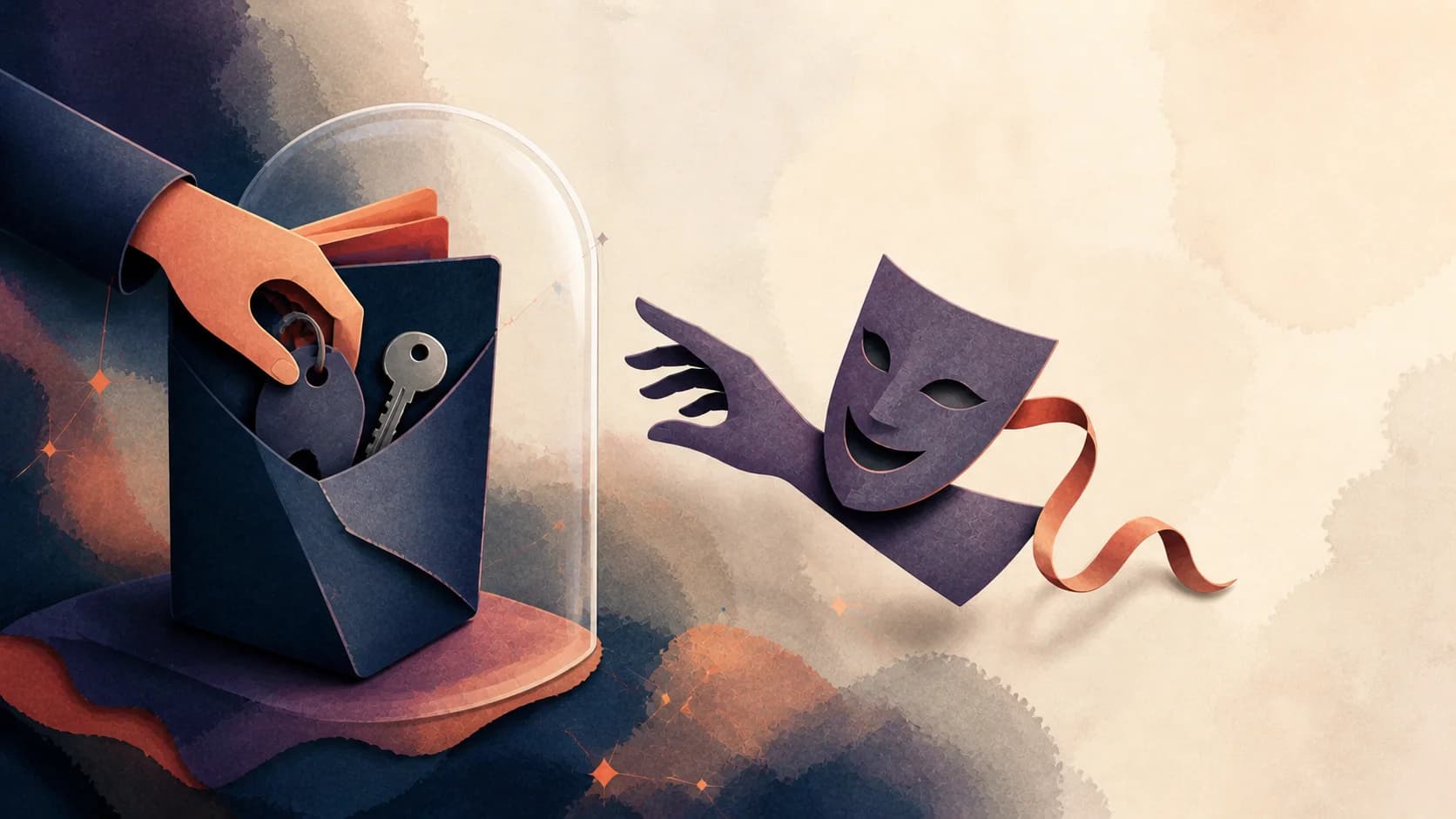
The perfect fake site
One changed letter in a domain is enough to imitate a familiar interface.
Ads, private messages and fake support place the malicious link at the right moment.
The browser lock encrypts the connection; it does not prove the site is legitimate.
Why?04 / 08
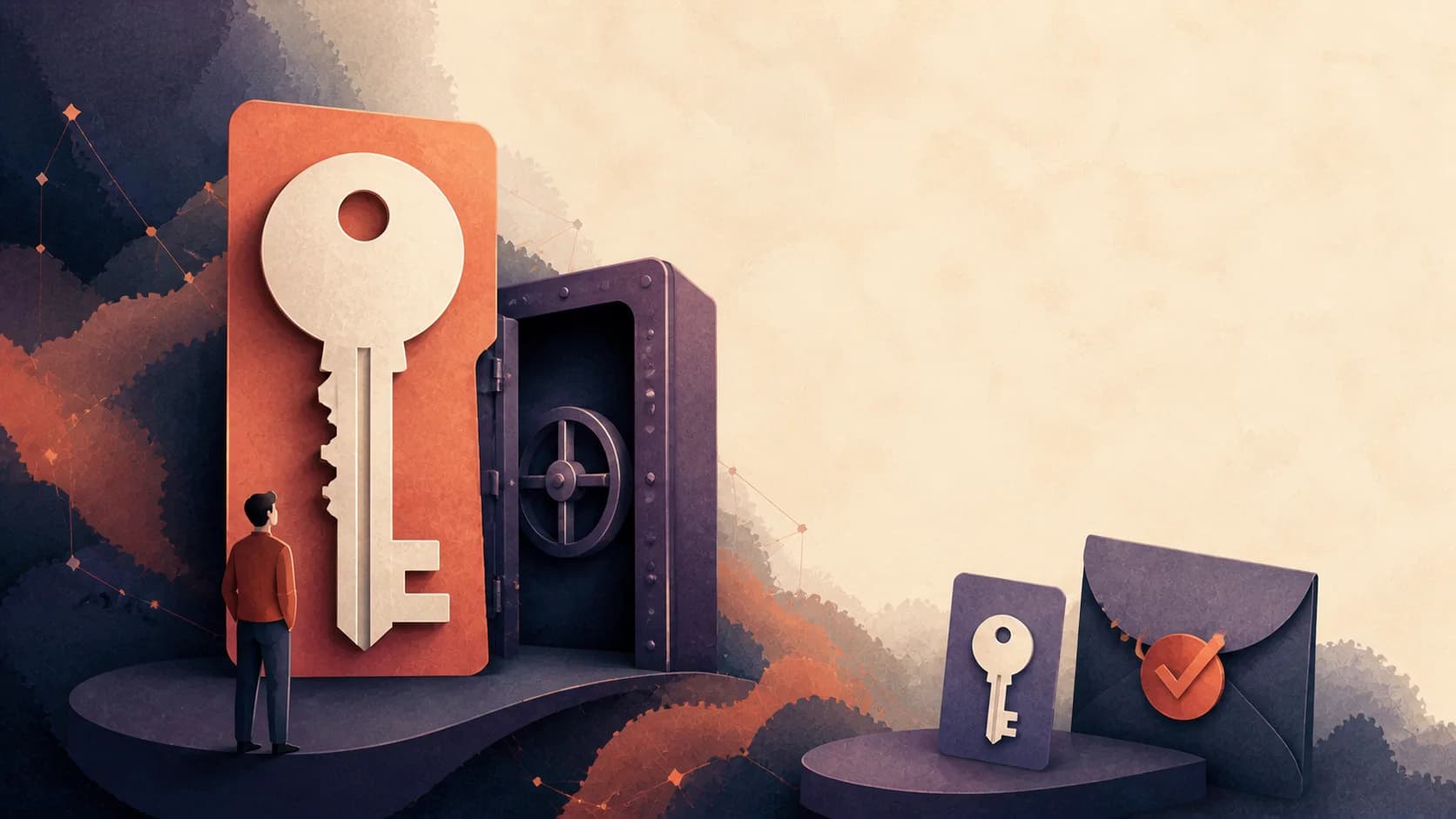
The blind signature
Signing a message can connect an account, prove identity or authorise an action.
Signing a transaction can transfer an asset or call a complex contract.
If the wallet cannot make the action readable, refusing is safer than guessing.

Why?05 / 08
Persistent approvals
An approval lets a contract move certain tokens later without the same new permission.
An unlimited allowance turns a one-off mistake into lasting exposure.
Disconnecting the site does not revoke permission recorded on-chain.
Why?06 / 08
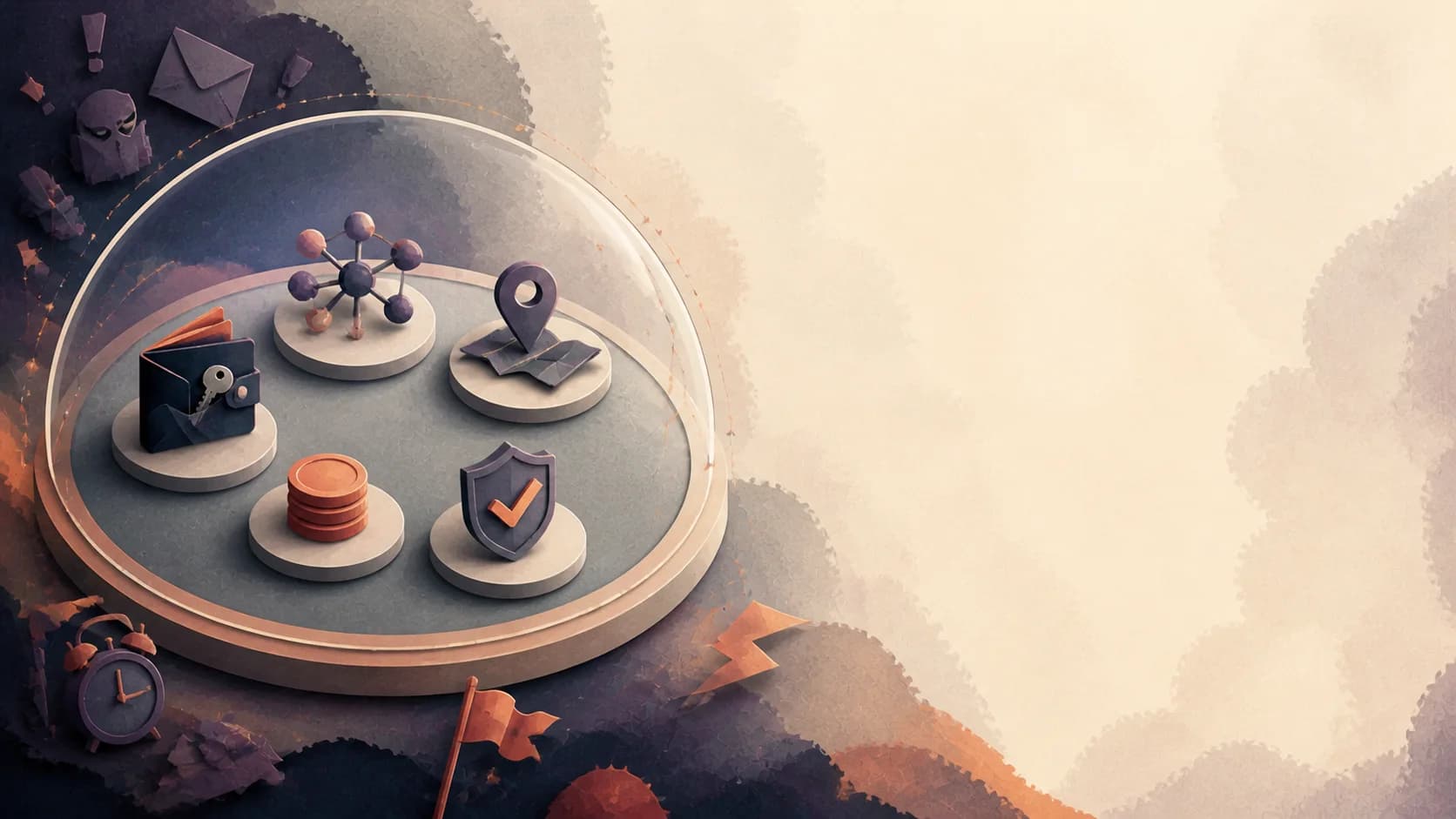
The levers of manipulation
Urgency — an offer or account supposedly expires
Authority — fake support demands a procedure
Reward — an airdrop promises much for one small gesture
Isolation — the fraudster prevents checking another source

How?07 / 08
The routine before signing
Domain — open from a bookmark or official source
Network and contract — confirm expected addresses
Action and amount — read what actually leaves
Test — use a small amount and a separate wallet

How?08 / 08
Limit the blast radius
Separate savings from the wallet used with applications.
Regularly revoke approvals that are no longer needed.
Never enter a seed after following a link: legitimate support never asks for it.
When in doubt, stop, verify elsewhere and accept missing the opportunity.