Who holds the real asset?
Course · RWA · 5 min
What?01 / 08
Who holds the real asset?
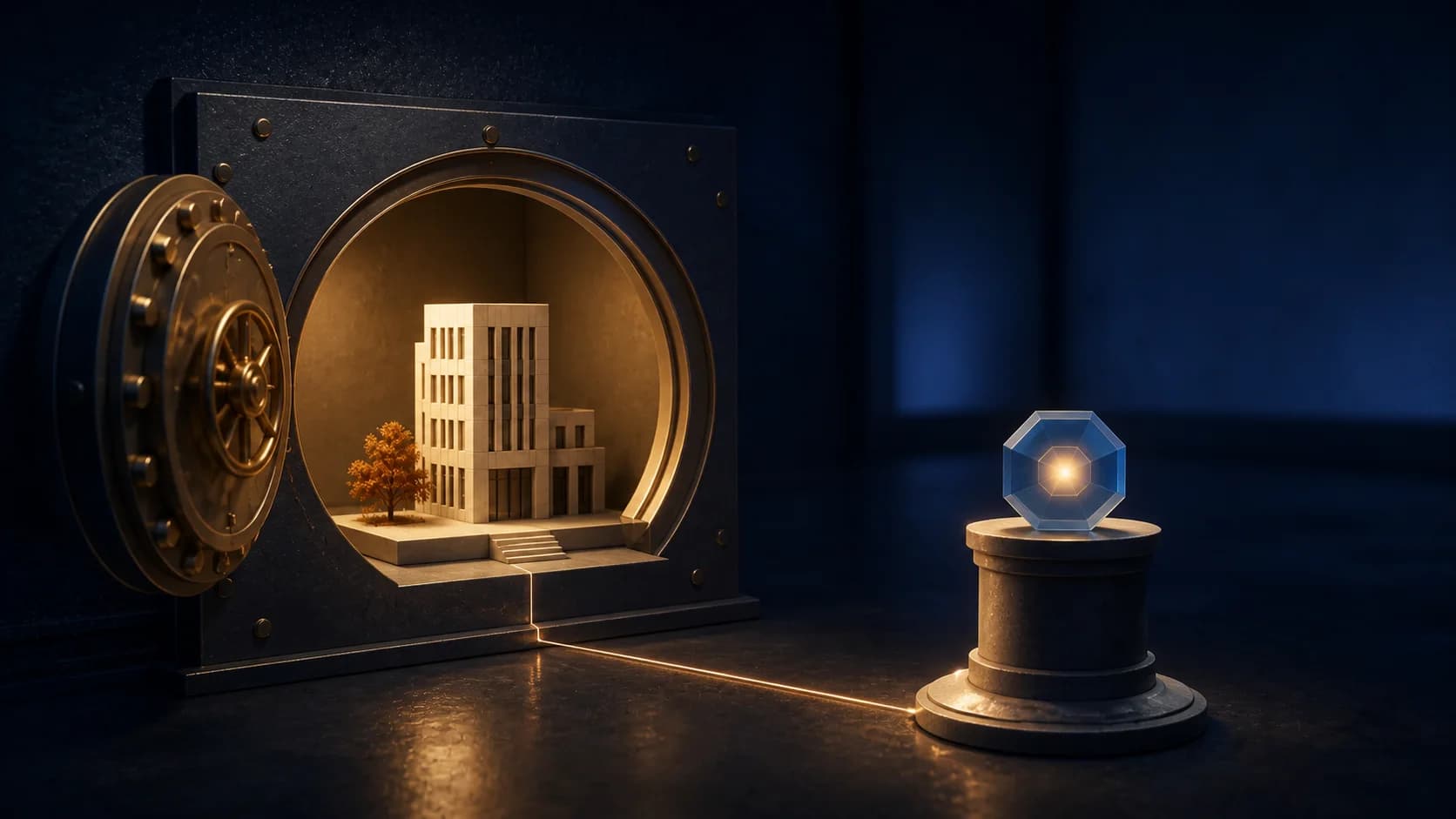
A token moves in seconds. The building, gold or bond it represents still remains somewhere, under someone’s responsibility.
Eight scenes to trace the off-chain asset, understand the evidence and spot weak links.
Scroll

What?02 / 08
Two records to reconcile
The blockchain records tokens and their transfers.
A legal, banking or land register establishes who holds the real asset.
Tokenisation works only if both records describe the same reality and a contract connects them.
What?03 / 08
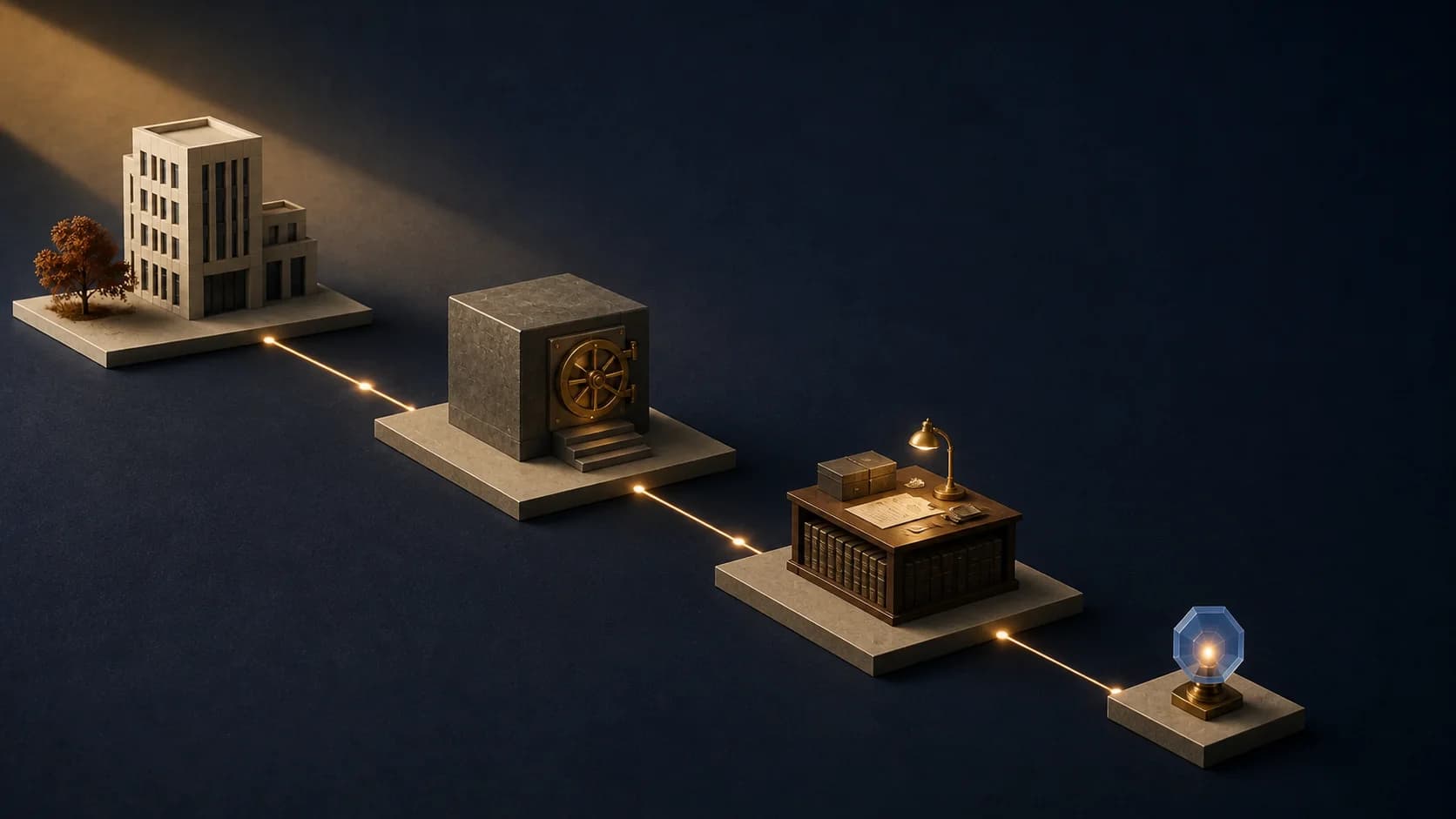
The guardians of the real-world chain
A dedicated company may own the asset and legally ring-fence the operation.
A custodian, bank or manager holds the securities, funds or physical goods.
An administrator keeps accounts; an auditor checks them; an oracle transmits selected data on-chain.
Why?04 / 08
What evidence actually means
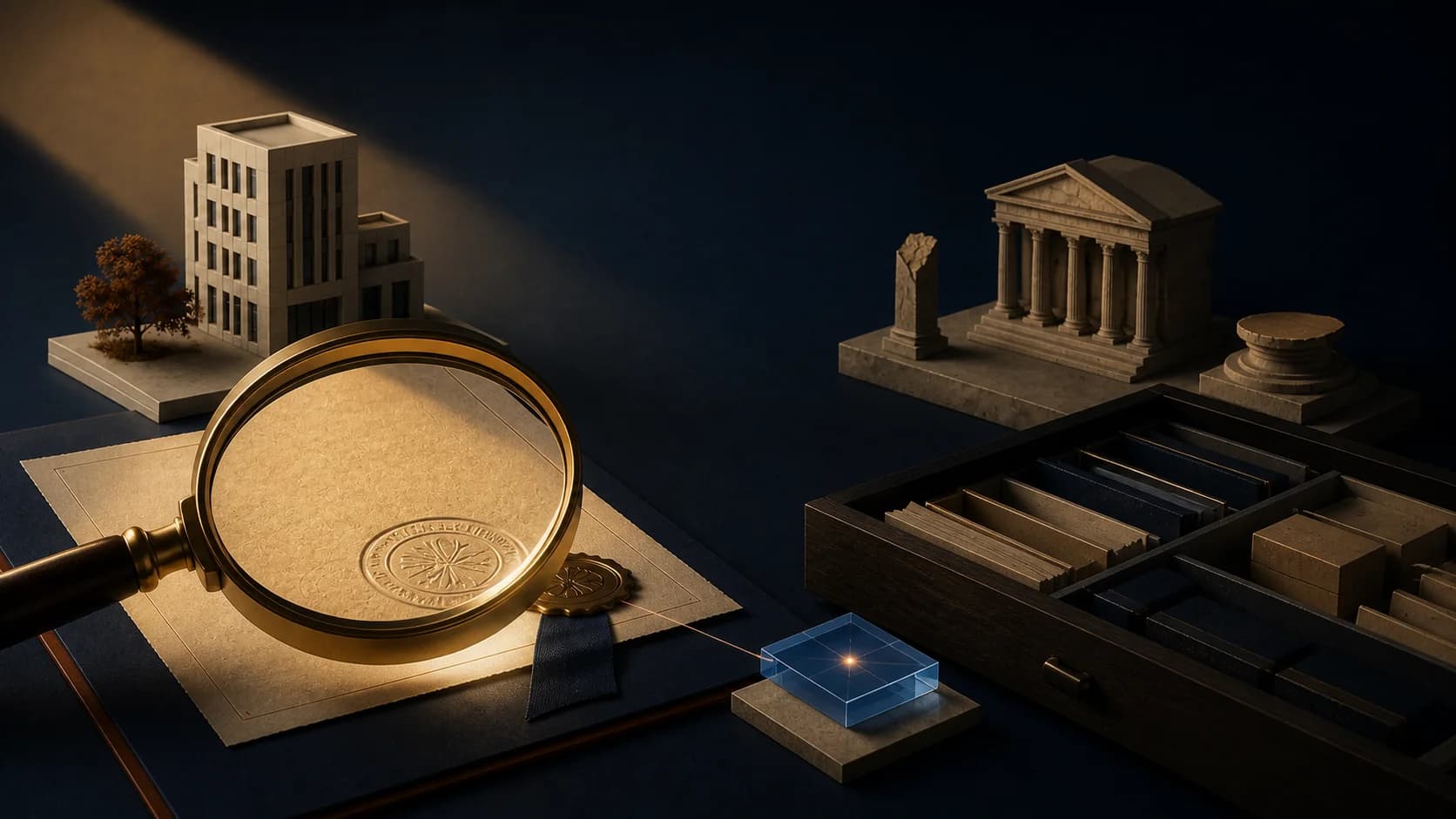
A registry extract proves that an entry existed on a given date.
A custodian attestation confirms what it says it holds within a defined scope.
An independent audit checks a method and specified evidence: it does not automatically guarantee the entire operation.
On-chain data remains reliable only if its off-chain source is reliable too.

Why?05 / 08
When the link breaks
The asset may be sold, seized, damaged or pledged while the token continues to exist.
The custodian may fail, the registry may be outdated and the oracle may keep publishing stale information.
The main risk is then not the blockchain: it is the silent gap between the token and what it is meant to represent.

How?06 / 08
Check asset segregation
Identify the legal owner, the custodian and the jurisdiction governing each one.
Look for evidence that the asset is separated from the issuer’s balance sheet and protected from its creditors.
Check withdrawal, custodian replacement, insurance and insolvency procedures.
How?07 / 08
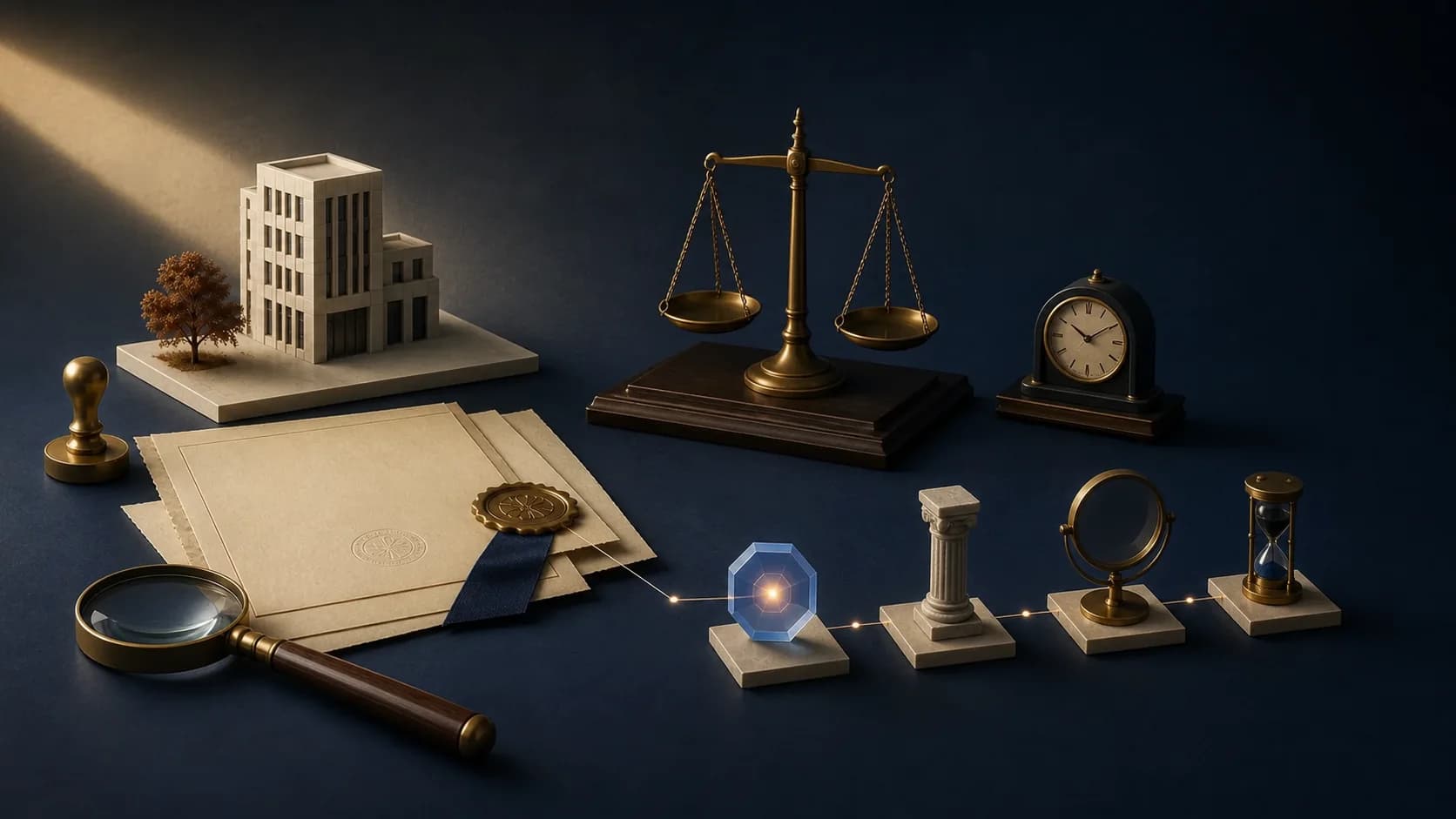
Assess the quality of evidence
Ask five questions about every document:
Who issued it, and are they independent?
Which exact asset, quantity and entity does it cover?
When was the check performed, and how often is it repeated?
Can the document be reconciled with the number of tokens still in circulation?
Are exceptions, qualifications and conflicts of interest disclosed?

How?08 / 08
Track the asset, not only the token
Map the full chain: token, issuer, legal owner, custodian, registry and evidence.
Dated, verifiable evidence is worth more than a real-time dashboard fed by an opaque source.
Once the asset and its custody are established, you can finally examine how it does — or does not — generate the advertised yield.